Sustainability is moving from niche to normal in construction. The trends shaping the industry — lifecycle thinking, low-carbon materials, precast and modular methods, waste reduction, water stewardship and green finance — and what they mean for Kenya.
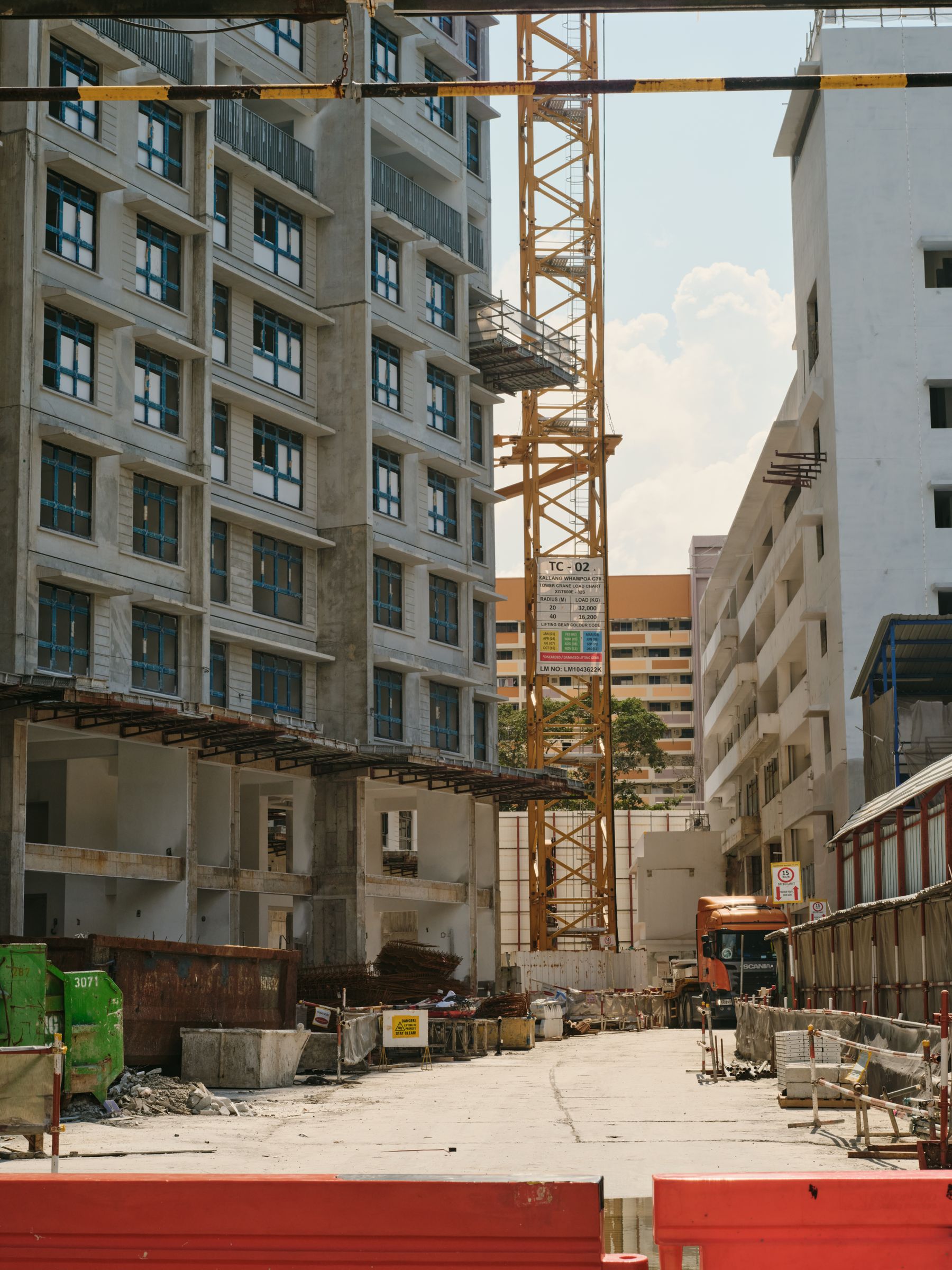
Construction shapes the world we live in — and it leaves a large footprint. Globally, buildings and construction account for a major share of energy use, carbon emissions, raw-material extraction and waste. As cities grow and resources come under pressure, the industry is changing how it designs, builds and operates.
Sustainable construction is no longer a niche. It is fast becoming the expected standard for clients, lenders, tenants and governments. Here are the practices driving that shift, and what they mean for projects in Kenya.
1. Thinking in lifecycles, not just build costs
The cheapest building to construct is rarely the cheapest building to own. Sustainable practice considers the whole life of a building — design, construction, decades of operation and maintenance, and eventual reuse or demolition. A slightly higher investment in insulation, shading, efficient fittings or durable finishes often pays for itself many times over through lower running and repair costs.
2. Low-carbon materials
Cement and steel are among the most carbon-intensive materials in construction, so reducing their footprint matters:
- Blended cements: pozzolana and slag-based cements, widely produced in Kenya, reduce the carbon intensity of concrete.
- Optimised structural design: careful engineering avoids oversized beams, columns and slabs.
- Local stone and blocks: reduce transport emissions and support local producers.
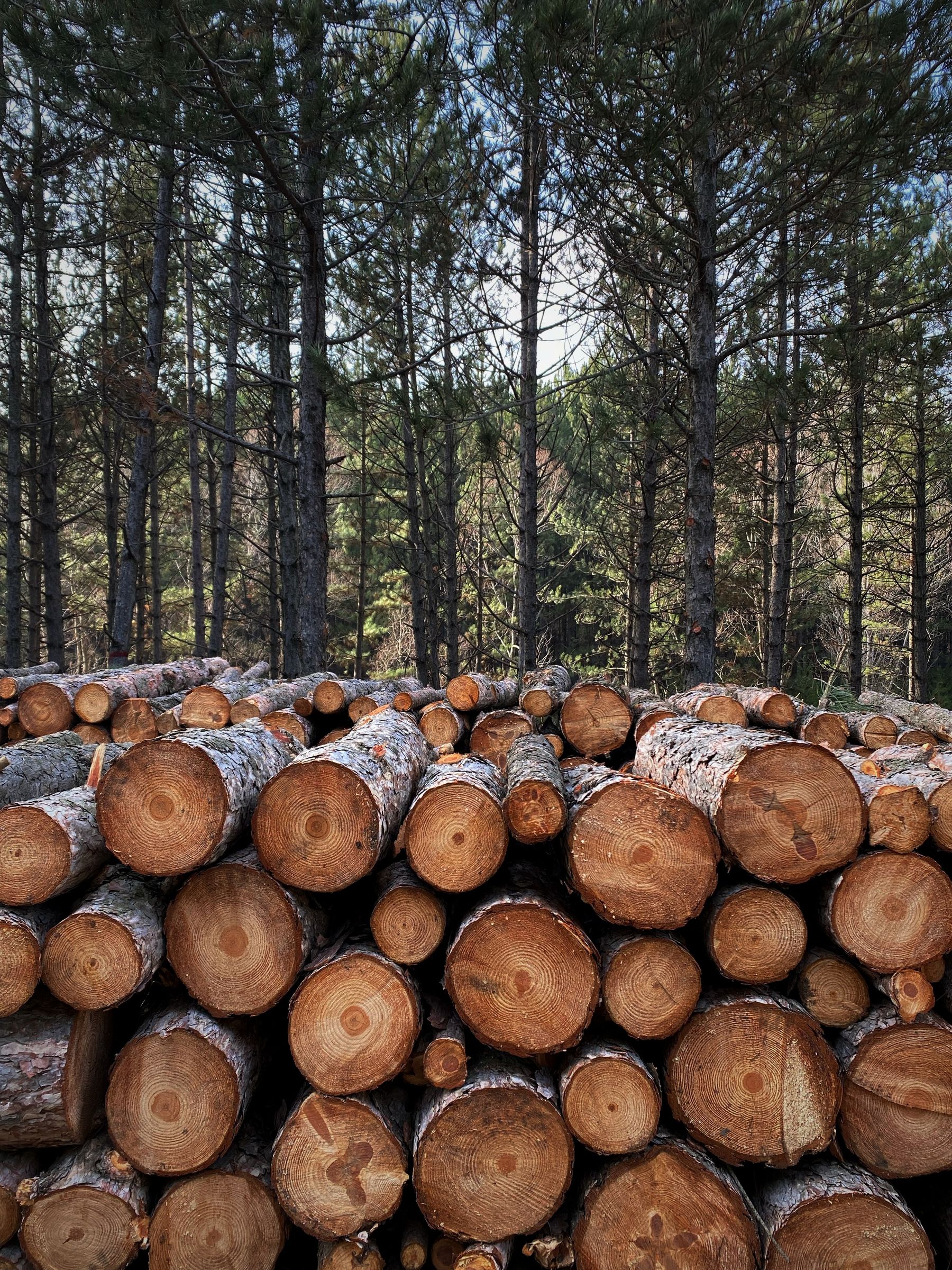
- Responsibly sourced timber: renewable when it comes from well-managed forests.
- Alternative building technologies: EPS panels and stabilised soil blocks use less cement and lighter foundations.
3. Precast, modular and off-site construction
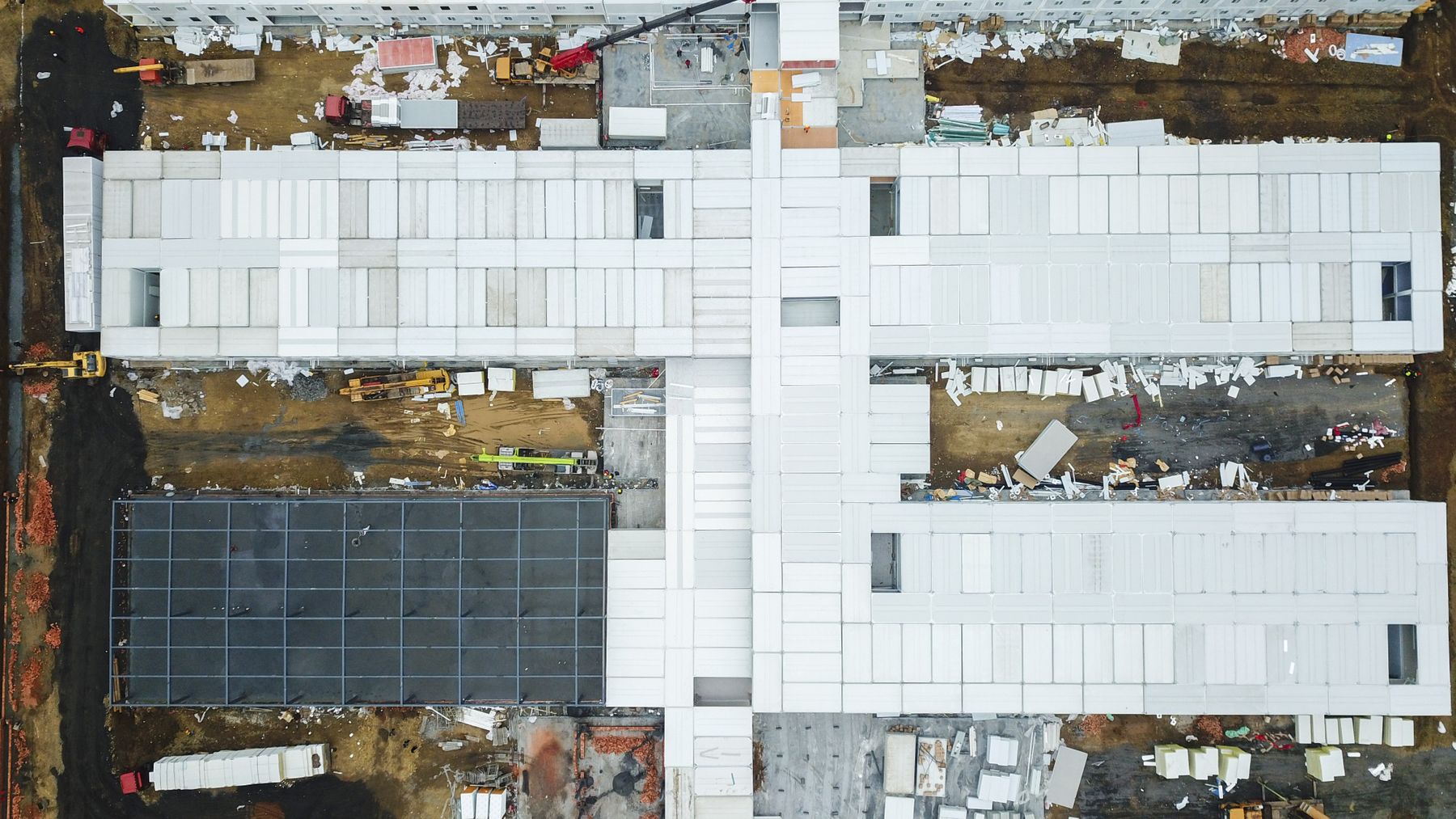
Building components in a controlled yard or factory — precast slabs, staircases, wall panels and modular units — improves quality, reduces waste and shortens programmes on site. Less time on site also means less noise, dust and disruption for neighbours, and safer working conditions for crews.
4. Cutting construction waste
Construction sites generate large volumes of waste: offcuts, broken blocks, packaging, excess concrete and spoil. Sustainable sites reduce it through:
- Accurate quantity take-offs that avoid over-ordering.
- Designing to standard material sizes to minimise cutting.
- Reusing formwork, scaffolding and excavated soil.
- Sorting waste so metals, timber and hardcore can be recycled or reused.
- Returning unused materials to suppliers where possible.
5. Water stewardship
Water is precious in many parts of Kenya, both during construction and over a building's life. Good practice includes careful curing methods that use less water, rainwater harvesting and storage, water-efficient fittings, greywater reuse for landscaping and permeable surfaces that reduce flooding.
6. Energy-efficient, climate-responsive design
Buildings that respond to their climate need far less energy. Passive design — orientation, shading, natural ventilation, daylighting and thermal mass — combined with solar water heating, solar PV and efficient lighting, can dramatically reduce energy bills while improving comfort.
7. Healthier buildings
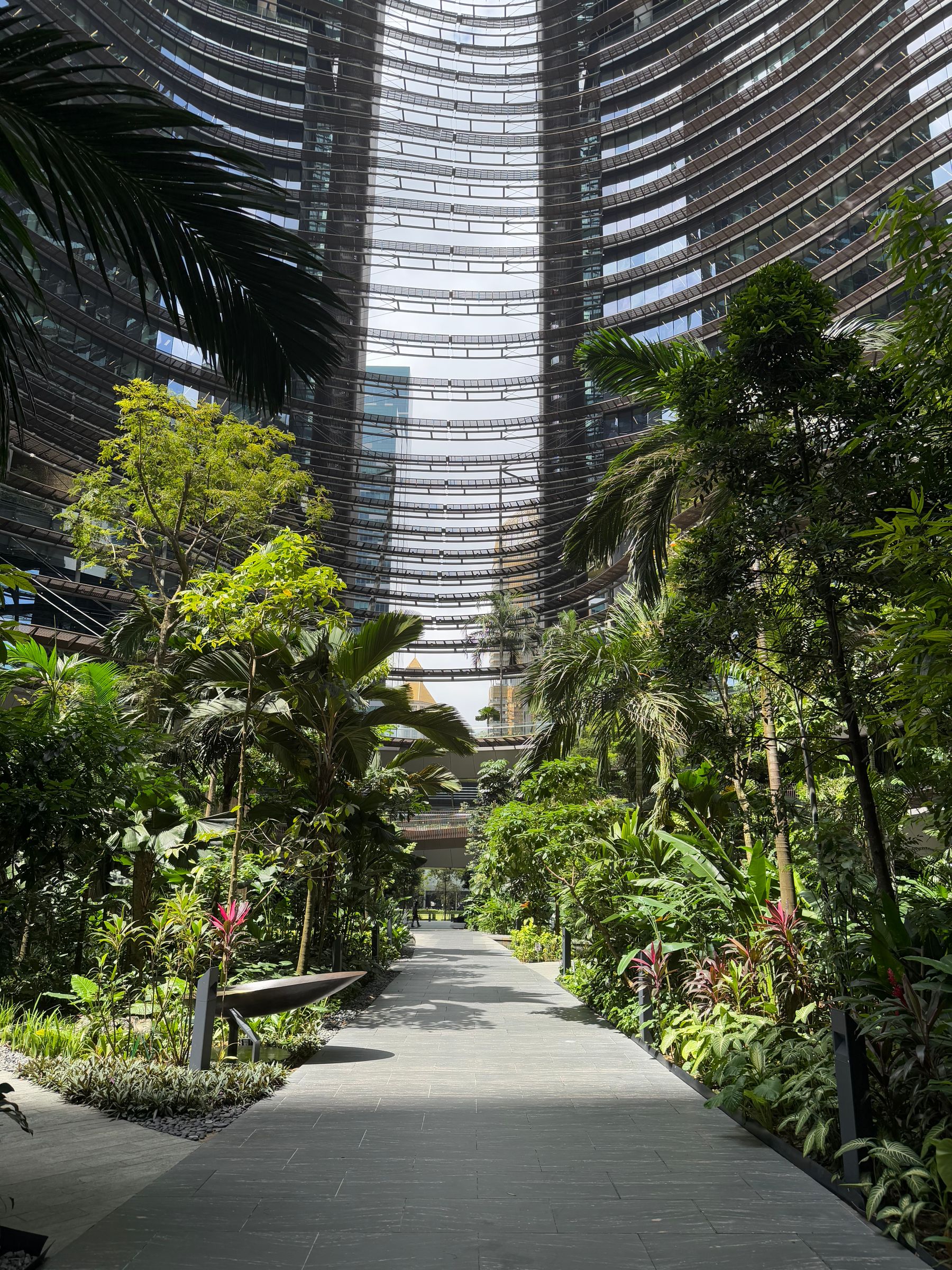
Sustainability is also about people. Good daylight, fresh air, low-emission paints and finishes, comfortable temperatures and access to green space all contribute to the health and productivity of the people who live and work inside buildings.
8. Social sustainability
A sustainable project benefits its community. That means employing and training local workers, buying from local suppliers, keeping sites safe for workers and neighbours, and designing buildings that are accessible and adaptable to changing needs.
9. Green certification and finance
Independent certification systems, such as EDGE, make sustainability measurable and verifiable. Certified buildings are increasingly attractive to buyers, tenants and investors, and financial institutions are beginning to offer green loans and mortgages that reward efficient buildings with better terms.
10. Measuring what matters
You cannot improve what you do not measure. Leading builders track energy and water use, waste volumes and material quantities on their projects, using the data to set targets and improve with every build.
The challenges ahead
The shift is not without obstacles. Upfront costs, limited awareness among clients, gaps in skills and supply chains for new materials, and the need for clear approvals all slow adoption. Overcoming them requires collaboration between designers, builders, manufacturers, financiers and regulators — and clients willing to look beyond the initial price.
Our commitment at Begres
At Begres we see sustainable construction as simply good construction. We design for Kenya's climate, encourage rainwater harvesting and solar-ready buildings, minimise waste on our sites and invest in research into alternative building technologies that make buildings lighter, faster and more resource-efficient.
Conclusion
Sustainable construction is rising because it makes sense — environmentally, socially and financially. Buildings that use less energy, water and material are cheaper to run, healthier to live in and more valuable over time. The future of construction belongs to those who build with the whole life of the building, and the people in it, in mind.