Your contractor will decide the cost, quality and stress level of your build. A step-by-step guide for Kenyan homeowners: NCA registration, references, quotations, contracts, payments, insurance and the red flags to avoid.
Choosing a contractor is the single most important decision you will make on a building project. A good contractor turns a set of drawings into a solid, well-finished building, on time and on budget. The wrong one can leave you with cracked walls, endless delays, unexplained costs — or a half-finished shell.
Whether you are building your first home, a rental block or extending your business premises, this step-by-step guide will help you choose with confidence.
1. Know exactly what you want built
Contractors can only price what they can see. Before inviting quotes, make sure you have:
- Approved architectural drawings and, where needed, structural designs.
- A bill of quantities (BQ) or at least a clear specification of materials and finishes.
- A realistic budget and target completion date.
- County building approvals in place, or a clear plan for obtaining them.
2. Check NCA registration and category
In Kenya, contractors must be registered with the National Construction Authority (NCA). Registration is graded by category according to the value of projects a contractor is permitted to undertake, and by specialisation — building works, roads, electrical, mechanical and so on.
- Ask for the contractor's NCA certificate and confirm it is current.
- Check that their category matches the size of your project.
- Verify the registration directly with the NCA rather than relying on a photocopy.
Large projects must also be registered with the NCA before work starts.
3. Look at their track record
Past work is the best predictor of future performance. Ask for:
- A portfolio of completed projects similar in size and type to yours.
- Contacts of at least two or three previous clients.
- Permission to visit a completed building and, ideally, a site under construction.
When you speak to past clients, ask whether the project finished on time, whether the final cost matched the quote, how problems were handled and whether they would hire the contractor again.
4. Compare detailed quotations — not just totals
The lowest quote is rarely the cheapest project. A professional quotation breaks the work down into measurable items with clear rates. Be wary of:
- Lump-sum figures with no breakdown.
- Prices far below other bidders, which often lead to cut corners or later "variations".
- Missing items such as preliminaries, site security, water and electricity, or external works.
- Provisional sums that are suspiciously low.
5. Assess the team and resources
Ask who will actually run your site. A reliable contractor will name a qualified site manager or engineer, explain their supervision structure, and show that they have access to the equipment, plant and skilled labour your project needs.
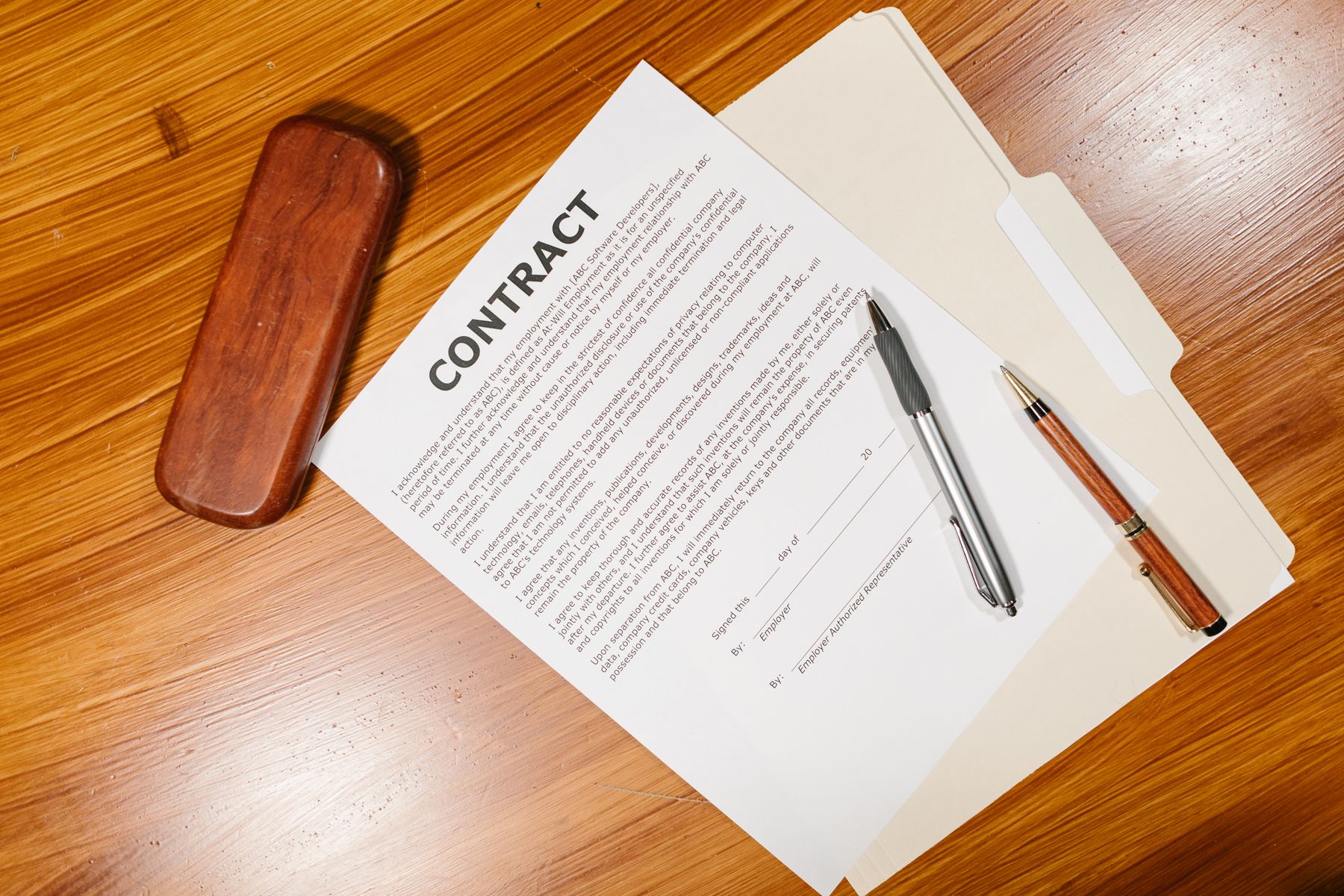
6. Insist on a written contract
Never build on a handshake. A written contract protects both sides and should cover:
- The scope of work, referencing drawings and the BQ.
- Contract sum and payment schedule.
- Start date, completion date and penalties for delay.
- How variations will be instructed, priced and approved.
- Quality standards and who inspects the work.
- The defects liability period after completion.
- Dispute resolution.
Standard forms such as those published by the Joint Building Council (JBC) are widely used in Kenya and provide a balanced starting point.
7. Tie payments to progress
Payments should follow completed, inspected work — for example foundations, walling to ring beam, roofing and finishes. Avoid paying large sums upfront. A retention — a percentage held back from each payment until the defects liability period ends — gives the contractor a reason to return and fix any problems.

8. Confirm insurance and compliance
A responsible contractor carries insurance for the works and third-party liability, and covers their workers under the Work Injury Benefits Act. Ask for copies. Confirm too how the contractor manages site safety and any environmental requirements for your project.
9. Judge their communication
How a contractor communicates before you sign is how they will communicate during the project. Do they answer questions clearly? Do they explain risks honestly? Will they provide regular progress reports and photographs? Good communication prevents most construction disputes.
Red flags to watch for
- No valid NCA registration, or reluctance to show it.
- Pressure to pay a large deposit immediately.
- No written contract, or a vague one-page agreement.
- No references or completed projects you can visit.
- A quote dramatically lower than all others.
- Suggestions to skip approvals "to save time".
Questions to ask every contractor
- Who will be the site manager, and how often will they be on site?
- How will you keep me updated on progress and spending?
- How do you handle changes and unforeseen ground conditions?
- What is your programme, and what could delay it?
- What happens if defects appear after handover?
How Begres works with clients
At Begres, every project starts with clear drawings, detailed quantities and a transparent quotation. We agree payment milestones linked to completed work, keep clients updated with regular site photos and reports, and stand behind our work after handover. We welcome clients to visit our completed and ongoing projects before they decide.
Conclusion
Taking time to choose the right contractor is the best investment you can make in your project. Verify registration, check real references, compare like-for-like quotations, sign a proper contract and pay for progress — and you will dramatically improve your chances of a smooth, successful build.