Construction is one of the most hazardous industries in the world. A complete guide to site safety in Kenya — the law, PPE, working at height, excavations, machinery, health and building a culture where everyone goes home safe.
Every building begins and ends with people. The workers who dig the foundations, tie the reinforcement, climb the scaffolding and fix the roof deserve to go home safely at the end of every day. Yet construction remains one of the most hazardous industries in the world: falls, collapsing excavations, moving machinery and falling objects cause serious injuries on sites every year.
Safety is not paperwork or a box to tick. It is a professional responsibility — and, done well, it also makes projects faster, cheaper and more reliable. This guide sets out what good site safety looks like in Kenya.
The law in Kenya
Construction safety in Kenya is governed mainly by the Occupational Safety and Health Act, 2007, which requires employers to provide a safe workplace, safe equipment, training and supervision. The Work Injury Benefits Act, 2007 requires employers to insure their workers and compensate those injured at work. The Directorate of Occupational Safety and Health Services oversees compliance, and further rules apply specifically to building operations and engineering works.
For clients, the message is simple: a contractor who cuts corners on safety is exposing your project — and potentially you — to delays, legal liability and reputational damage.
1. Training and induction
Safety starts before anyone picks up a tool. Every worker, subcontractor and visitor should receive a site induction covering:
- Hazard recognition: how to spot risks such as unprotected edges, unstable ground and live cables.
- Safe use of equipment: correct operation and inspection of tools and machinery.
- Emergency procedures: assembly points, first aid, fire response and emergency contacts.
- Site rules: restricted areas, traffic routes and reporting procedures.
Short daily "toolbox talks" keep the message alive, focusing on the specific risks of that day's work — a slab pour, roof work or a deep trench.
2. Personal Protective Equipment (PPE)
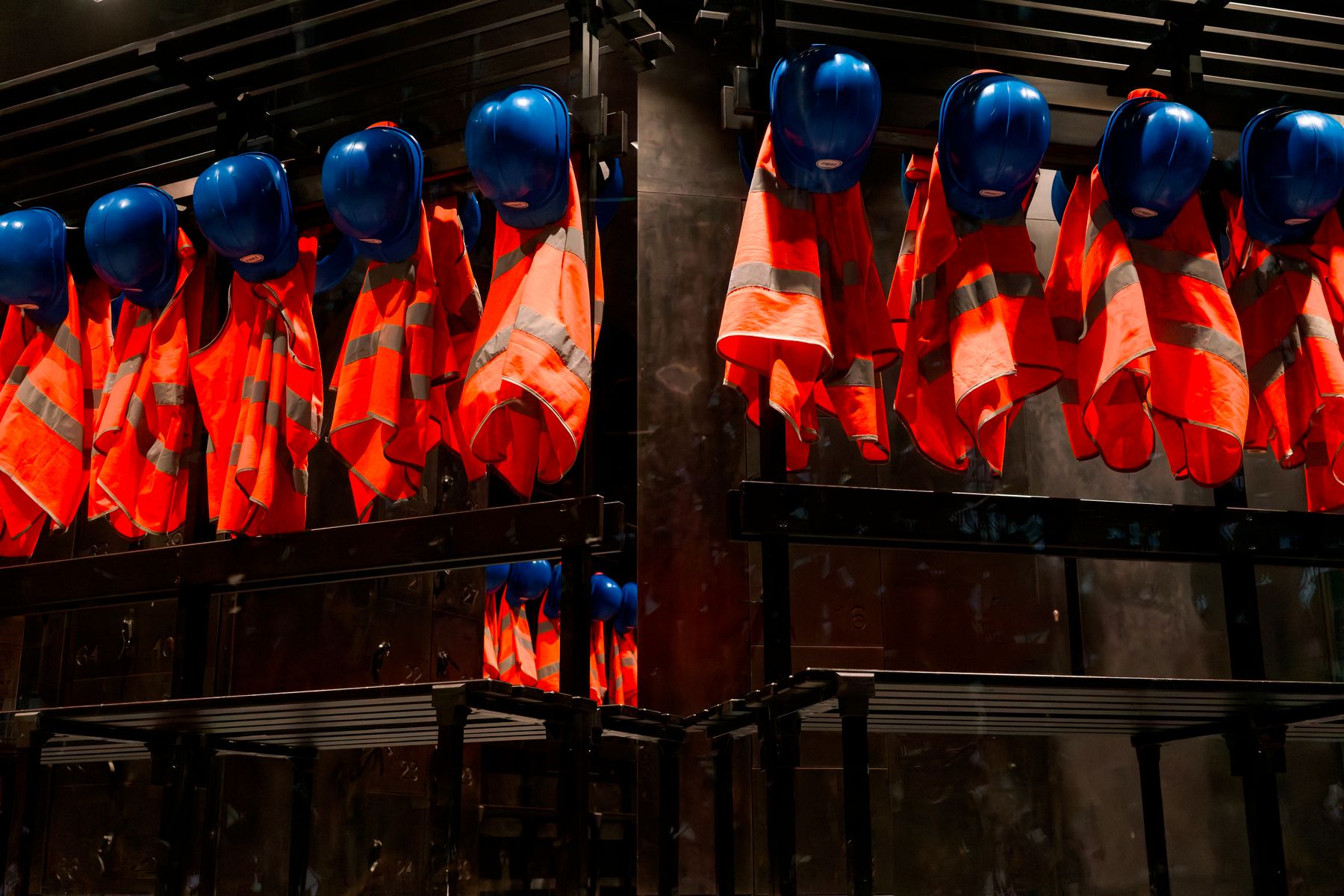
PPE is the last line of defence, and it only works if it is the right equipment, in good condition, worn correctly:
- Hard hats: protect against falling objects and knocks.
- Safety boots: steel toecaps and puncture-resistant soles guard against heavy loads and nails.
- High-visibility vests: make workers visible to machine operators and drivers.
- Gloves: protect against cuts, abrasions, cement burns and chemicals.
- Eye and face protection: essential when cutting, grinding, chiselling or handling chemicals.
- Hearing protection: required around compactors, breakers and generators.
- Dust masks and respirators: protect lungs when cutting blocks, mixing cement or sanding.
3. Working at height
Falls from height are among the leading causes of serious injury and death on construction sites. Effective controls include:
- Guardrails and toe boards on all open edges, slab perimeters and stairwells.
- Covering or barricading floor openings and lift shafts.
- Full-body harnesses and lanyards attached to secure anchor points for work at height.
- Safety nets where edge protection is not practical.
- Properly erected, braced and inspected scaffolding — never improvised platforms.
4. Scaffolding and formwork
Scaffolds and formwork carry people, materials and wet concrete. They must be designed for the load, erected by competent people on firm, level bases, braced and tied in, and inspected before use, after bad weather and at regular intervals. Damaged poles, missing boards or overloaded platforms must be fixed before anyone climbs.
5. Excavations and trenches
Soil can collapse without warning, and a cubic metre of earth weighs well over a tonne. Deep excavations need shoring, benching or battering back to a safe angle; spoil and materials must be kept away from the edge; and safe ladders must provide access and escape. Barriers protect people and vehicles from falling in.
6. Machinery, vehicles and lifting
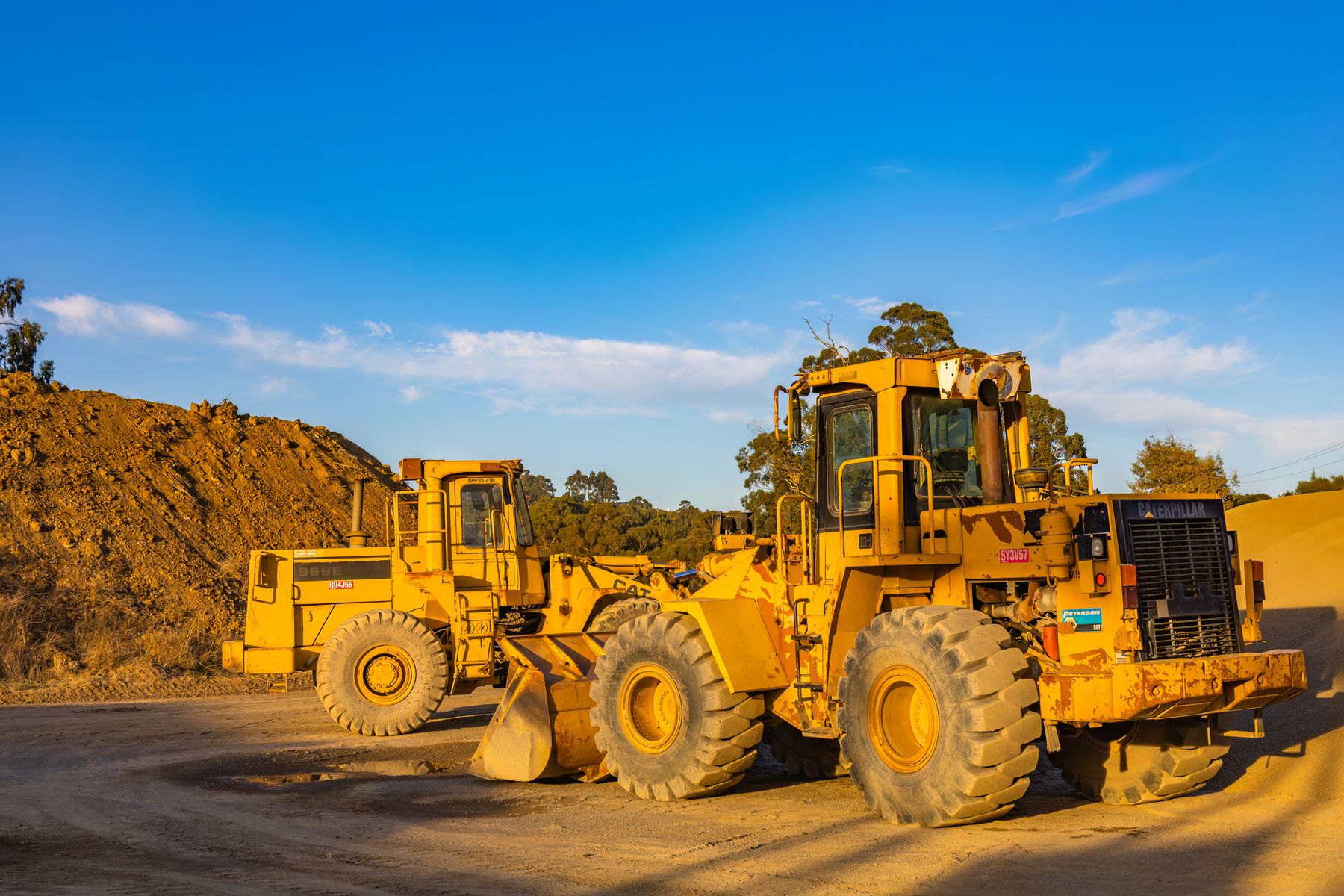
Excavators, loaders, tipper trucks, mixers and cranes all bring serious risks. Good practice means:
- Only trained, authorised operators use machinery.
- Daily pre-use checks of brakes, hydraulics, alarms and lights.
- Clearly marked pedestrian routes separated from vehicle routes.
- Banksmen to guide reversing vehicles and lifting operations.
- Lifting equipment inspected and certified, with loads never lifted over people.
7. Electrical and fire safety
Temporary electrical supplies must be installed by qualified electricians, protected by residual-current devices and kept clear of water and traffic. Fire extinguishers should be available near fuel stores, welding and hot work, with flammable materials stored safely away from ignition sources.
8. Health on site
Not every hazard causes immediate injury. Long-term health matters too:
- Dust: silica dust from cutting blocks and concrete can cause serious lung disease — use water suppression and masks.
- Noise and vibration: rotate tasks and provide hearing protection.
- Heat: provide shade, drinking water and rest breaks, especially in hot regions.
- Welfare: clean toilets, washing facilities and a place to eat away from the work area.
9. Housekeeping, inspections and reporting
A tidy site is a safer site. Clear walkways, stacked materials and removed waste prevent trips and falls. Regular safety inspections and audits catch problems early, while a simple system for reporting near-misses helps the team learn before an accident happens.
10. Building a safety culture
The best safety systems fail without the right culture. On a safe site, managers lead by example, every worker can stop unsafe work without fear, near-misses are reported and discussed openly, and good safety behaviour is recognised.
Why safety is good business
Accidents cause human suffering first and foremost. They also stop work, trigger investigations, damage equipment, raise insurance costs and destroy trust. Safe sites tend to be organised, well-planned sites — and well-planned sites deliver on time and on budget.
Safety at Begres
At Begres, safety is planned into every project from the start. Our teams work in full PPE, sites are inducted and inspected, and work at height, excavations and lifting are planned before they begin. We believe a project is only a success if everyone who built it goes home safely.
Conclusion
Construction safety is everyone's responsibility — clients, designers, contractors and every worker on site. With proper training, the right equipment, careful planning and a culture that values people above deadlines, sites can be both productive and safe.