Green buildings cost less to run, stay comfortable in Kenya's climate and protect scarce water and energy. A practical guide to passive design, solar, water harvesting, local materials and certification.
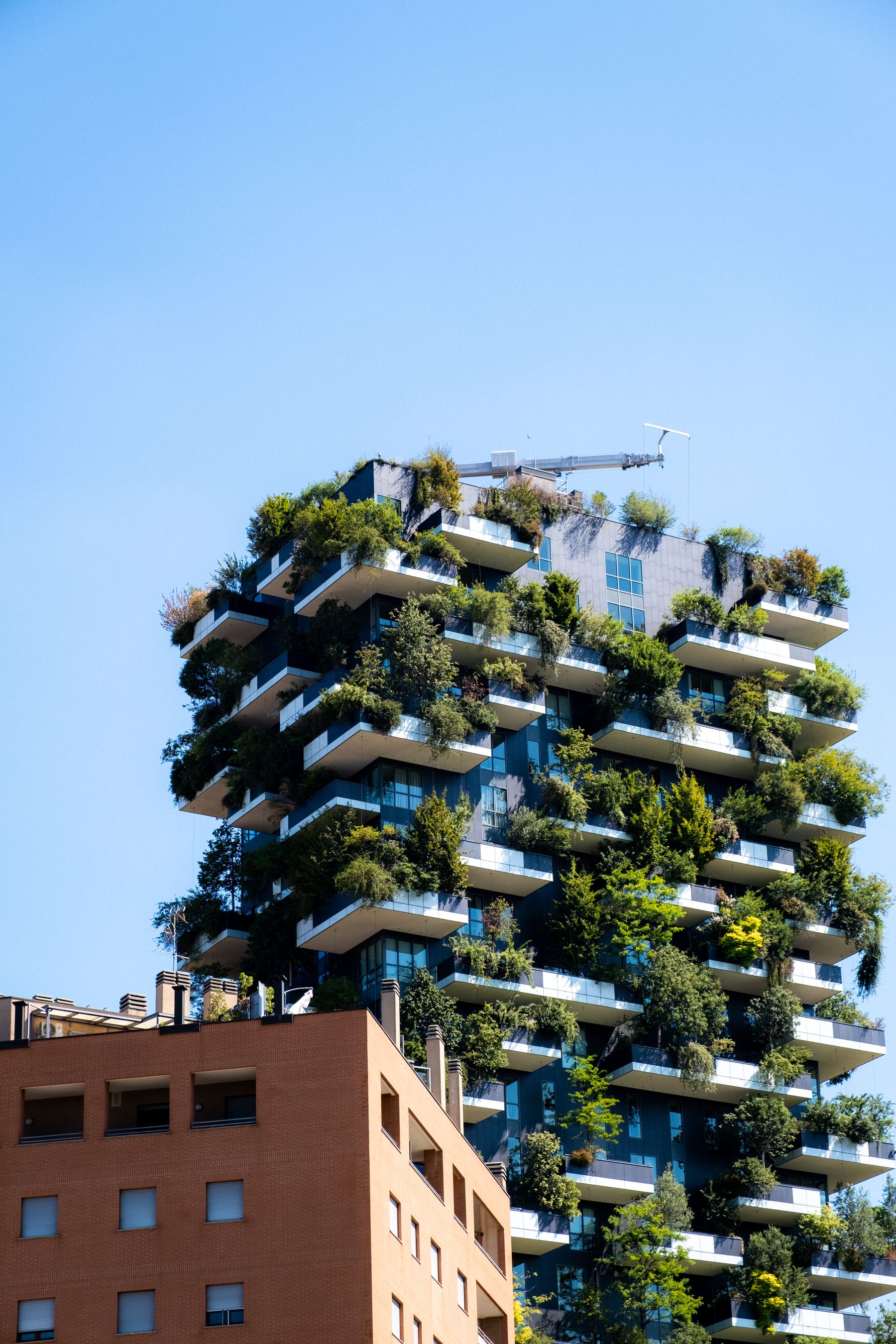
Green construction is often imagined as something expensive and foreign — glass towers with rooftop gardens. In reality, the greenest buildings in Kenya are frequently the simplest: homes that face the right way, catch the breeze, collect their own rainwater and use materials made close to the site. They cost less to run, stay comfortable without air conditioning and protect resources that are becoming more precious every year.
This guide explains what green construction really means, why it makes particular sense in Kenya, and the practical steps any homeowner or developer can take.
What is green construction?
Green construction is an approach to designing, building and operating buildings that reduces their impact on the environment and on the people who use them. It considers the whole life of a building:
- Design: orientation, shading, ventilation and daylight.
- Materials: where they come from, how much energy they contain and how long they last.
- Construction: waste, dust, water use and the health of workers and neighbours.
- Operation: the energy and water a building consumes every day for decades.
Why it matters in Kenya
Kenya's climate is a gift for green building. Abundant sunshine, cool nights in the highlands and steady breezes at the coast mean a well-designed building can stay comfortable with very little mechanical cooling. At the same time, electricity tariffs, unreliable water supply in many towns and increasingly erratic rainfall make efficiency a matter of household budgets, not only of the environment.
1. Start with passive design
The cheapest energy is the energy a building never needs. Passive design uses the shape and layout of the building itself to keep it comfortable:
- Orientation: long walls facing north and south receive far less harsh sun than east- and west-facing walls.
- Shading: roof overhangs, verandas and fins block high midday sun while letting in light.
- Cross-ventilation: windows on opposite sides of a room let breezes carry heat away.
- Thermal mass: stone and concrete absorb heat by day and release it at night, smoothing out temperature swings in highland towns.
- Daylight: well-placed windows and light colours reduce the need for lighting during the day.
2. Generate clean energy
Kenya receives strong sunshine almost all year round, which makes solar energy one of the most practical upgrades available:
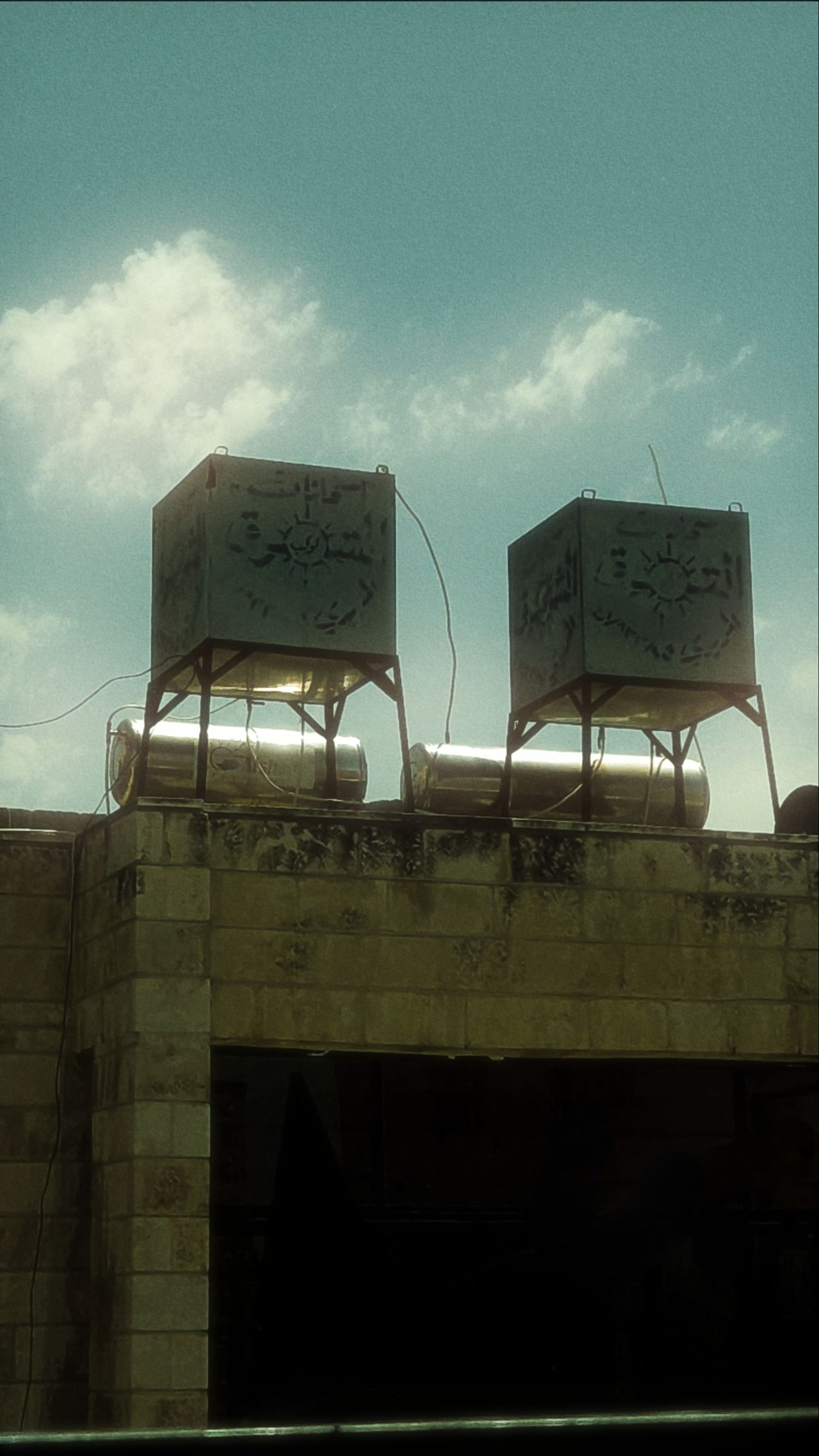
- Solar water heating: one of the fastest paybacks of any green investment, especially for larger households.
- Solar photovoltaic (PV) panels: generate electricity for lighting, appliances and pumps, with batteries providing backup during outages.
- Efficient lighting and appliances: LED lighting and efficient fridges reduce the size, and cost, of the solar system you need.
3. Save every drop of water
Water security is a daily concern in many Kenyan towns. Green buildings treat water as a resource to be captured and reused:
- Rainwater harvesting: gutters and storage tanks collect roof runoff for cleaning, gardens, flushing and — with proper treatment — household use.
- Water-efficient fittings: dual-flush toilets, aerated taps and efficient showers cut consumption without anyone noticing a difference.
- Greywater reuse: lightly used water from basins and showers can be filtered and used for landscaping.
- Permeable paving: lets rain soak into the ground instead of flooding the street.
4. Choose materials wisely
Every material carries a hidden footprint from the energy used to make and transport it. Smarter choices include:
- Local materials: locally quarried stone, locally made blocks and regionally sourced timber reduce transport emissions and support the local economy.
- Interlocking stabilised soil blocks: made from soil on or near site, with less cement and mortar than conventional blocks.
- Blended cements: Kenyan cement makers produce pozzolana-based cements with a lower carbon footprint than pure Portland cement.
- Low-VOC paints and finishes: better for indoor air quality and the health of the people living inside.
- Durable materials: a finish that lasts twenty years is greener than a cheaper one replaced every five.
5. Build cleaner
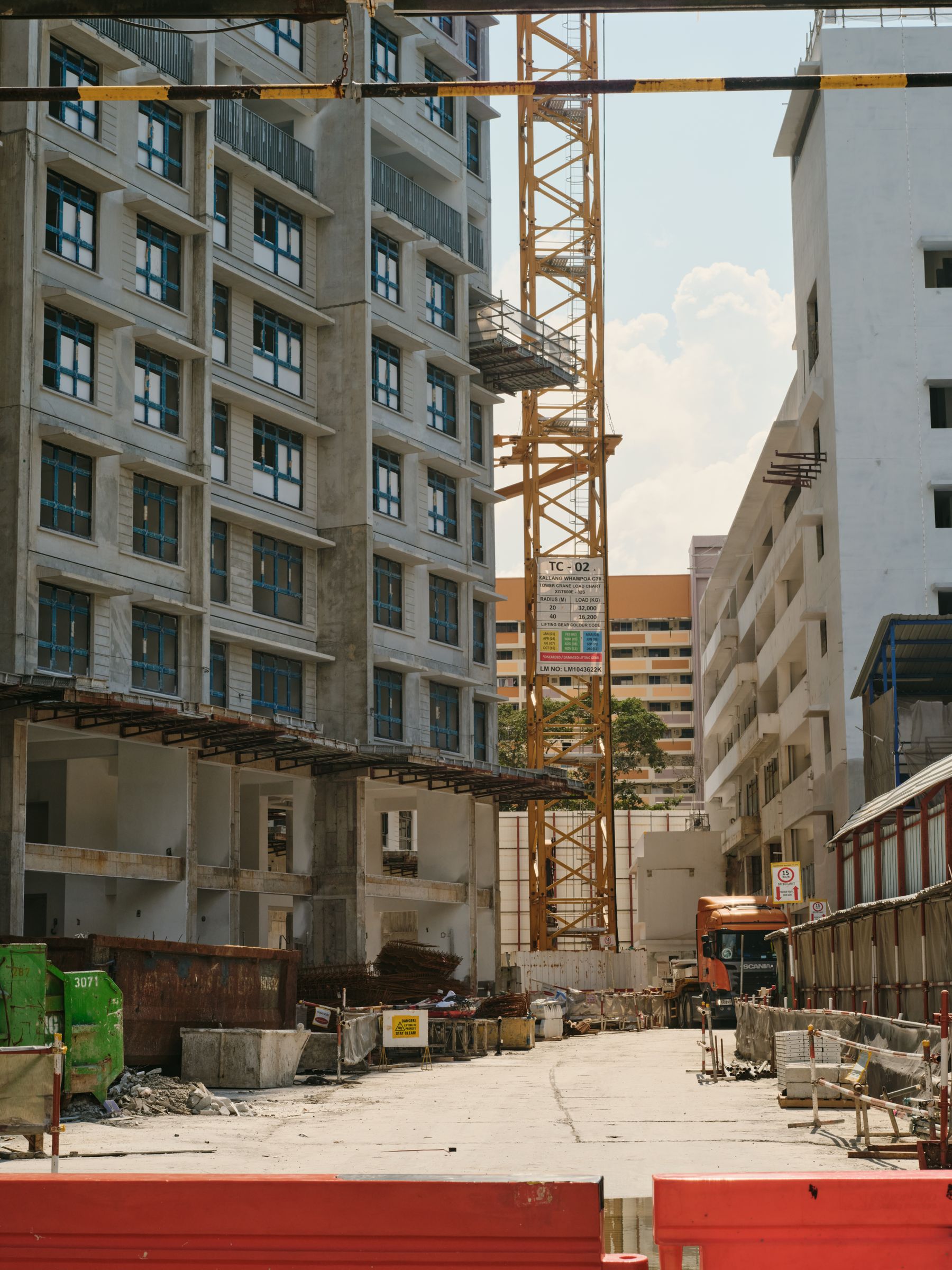
Green construction extends to the building site itself. Good practice includes sorting and reusing offcuts, ordering accurate quantities to avoid waste, controlling dust and runoff, protecting existing trees and topsoil, and recycling formwork and packaging wherever possible.
Certification: EDGE and beyond
Certification gives independent proof that a building performs as claimed. In Kenya, the EDGE system developed by the International Finance Corporation is increasingly used for homes, apartments and offices; it requires measurable savings in energy, water and the energy embodied in materials. The Kenya Green Building Society also promotes green standards and training across the industry. Certified buildings can attract better rents, easier sales and, increasingly, green financing.
Does green cost more?
Often, very little. Many passive design measures cost nothing extra if they are considered from the start — they simply require good design. Solar water heating, efficient fittings and rainwater tanks add modest upfront costs that are typically recovered through lower bills within a few years. The expensive green building is the one that tries to fix a poorly designed building after it is finished.
A quick green checklist for your project
- Orient the building to minimise east and west sun.
- Provide overhangs and shading on sun-facing windows.
- Design for cross-ventilation in every main room.
- Install solar water heating and plan for solar PV.
- Harvest rainwater and fit water-efficient fixtures.
- Specify local, durable, low-VOC materials.
- Ask your contractor how they will manage site waste.
How Begres approaches green building
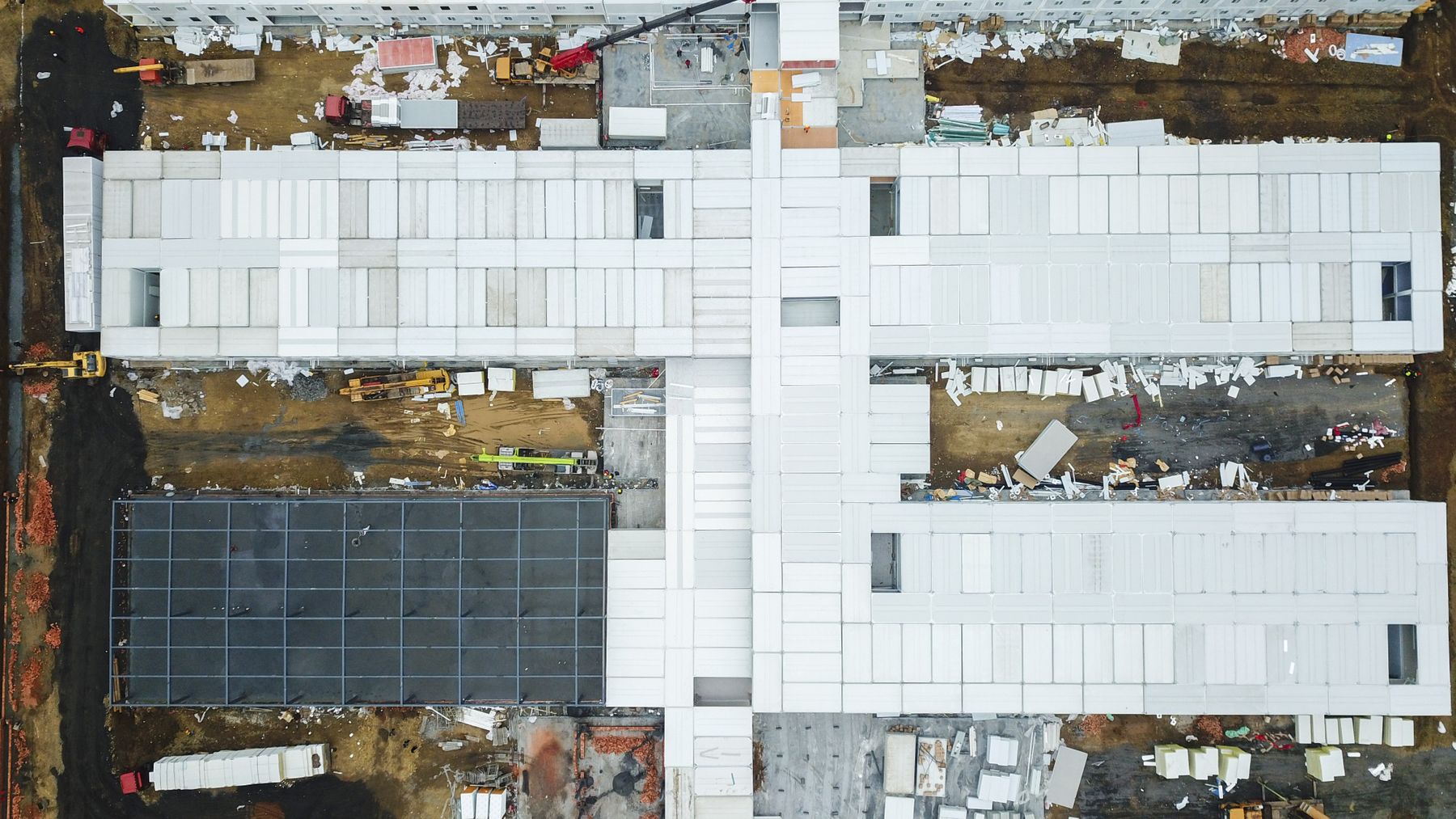
At Begres we bring green thinking into the design stage, where it costs least and achieves most — from orientation and natural ventilation to rainwater harvesting and solar-ready roofs. Through our research work we continue to test materials and methods, such as EPS panels and alternative building technologies, that make buildings lighter, faster to build and more comfortable to live in.
Conclusion
Green construction is not a luxury. In Kenya's climate, it is simply good building: homes and workplaces that are comfortable, affordable to run and respectful of the water, energy and land we all share. The best time to make a building green is before it is built.